
The Disappearing Generation: Dignity Lost
Updated: 1 day ago
I started WDIB to share the challenges caregivers face. They work tirelessly to ensure their loved ones receive the care they deserve. This journey may feel thankless, yet it is a profound gift to those who rely on the sacrifices made by caregivers. As I traveled this path, I discovered many groups that support those experiencing the physical and emotional stress of caregiving.
My friends have aging parents, and I have shared valuable information and resources that helped me. Recently, I spoke with a friend about his caregiving challenges. He faced many of the same issues I did, including the struggle to balance my own life with caregiving responsibilities. However, during our conversation, I noticed something crucial was missing: compassion for the person being cared for.

The Loss of Independence
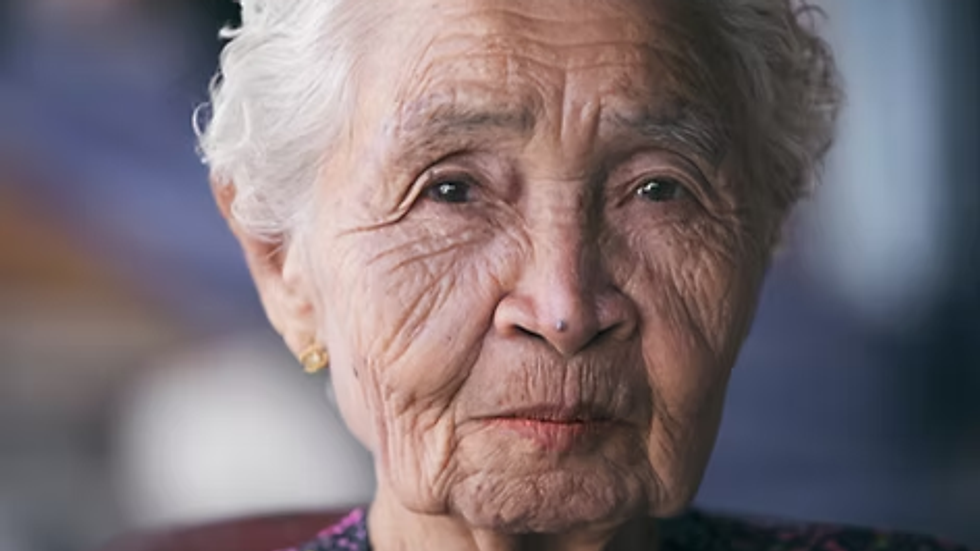
Many patients find themselves at the mercy of their caregivers. Their bodies have betrayed them, stealing their independence. The joy of spending time with family and friends, going on vacations, or even grocery shopping has been replaced by endless doctor appointments, hospital stays, and diaper changes.
Each day is a battle to find strength. It’s painful and humiliating to have someone assist with bathing, dressing, and moving from bed to bathroom. Aging is undeniably hard. Your appearance fades, your body weakens, and friends may disappear. Aging is one of the most challenging journeys we will ever face.
A Generation of Historic Impact
Today, the largest demographic in long-term care facilities is the Baby Boomers. It is predicted that all Baby Boomers will have passed within the next 20 to 30 years. They lived through and shaped some of the toughest struggles in American history:
The Civil Rights Movement and the courage of Rosa Parks
The assassinations of Dr. Martin Luther King Jr. and John F. Kennedy
The Cold War era and the Vietnam War
The post-WWII baby boom
The cultural milestone of Woodstock
The political crisis of Watergate
They also revolutionized our lives through groundbreaking innovations:
The development of the World Wide Web (WWW)
The creation of the personal computer
The introduction of the USB port
Breakthroughs in DNA fingerprinting
The Sony Walkman
The Atari gaming console and early video games

I know that without their sacrifices, I wouldn't enjoy the freedoms I have today. My ability to pursue higher education, buy a home, and choose my career exists because of them, including my parents. They deserve dignity and compassionate care, just as they sacrificed so much for future generations.
Presence and Advocacy
I have witnessed patients left at nursing homes, forgotten by family and friends. While doctors, skilled nurses, and home healthcare providers are essential, nothing compares to the care that comes from spending time with those who feel scared, depressed, and aware that their time may be running out.
October is a month of many designations—Breast Cancer Awareness Month, National Depression Awareness Month, and National Domestic Violence Awareness Month. Importantly, it is also National Long-Term Care Residents' Rights Month. This initiative affirms the dignity and quality of care that residents deserve. It requires facilities to promote and protect resident rights. Many advocacy groups tirelessly work to ensure long-term care patients have a voice in their treatment.
Caregiving can be deeply challenging and frustrating. It is emotionally heavy to take on the responsibility of caring for a loved one who once cared for you. Despite the challenges, strive to provide care with compassion. Look beyond your immediate frustrations to help them maintain their dignity.
Join the Conversation
If you are a patient, a recipient of home healthcare, or a family caregiver navigating this path, what helps you maintain dignity and compassion in your daily routine? Please share your thoughts and experiences in the comments below.
Comments